


—As House Summons Justice Minister, Margibi Prison Superintendent, Others
The House of Representatives has opened a high-stakes investigation into the conduct of former Margibi County Resident Circuit Judge T. Ciafa Carey over his handling of a high-profile 2024 cocaine trafficking case, a move that could ultimately result in impeachment proceedings if lawmakers determine that he committed judicial misconduct or violated the Constitution.
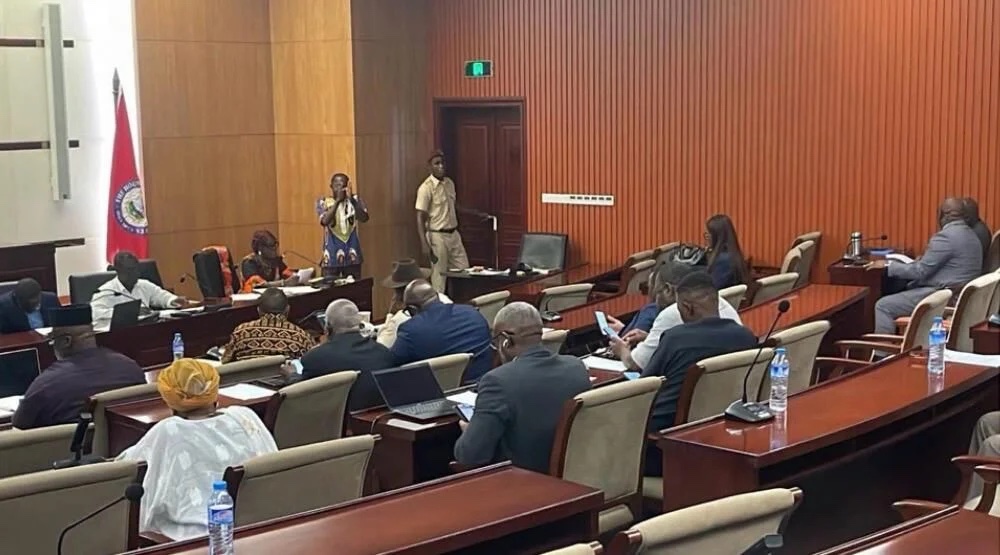
Acting during Tuesday’s sitting, lawmakers voted to constitute themselves into a Committee of the Whole to investigate allegations that Judge Carey unlawfully granted bail to alleged drug trafficking suspect Michael U.S. Brown despite provisions of Liberia’s amended drug law that classify major narcotics offenses as non-bailable.
The investigation was triggered by a formal communication submitted by Representative James M. Kolleh, Chairman of the House Committee on Rules, Order and Administration, who argued that the judge’s decision undermined the intent of the Legislature’s 2022 amendments to the Controlled Drugs and Substances Act.
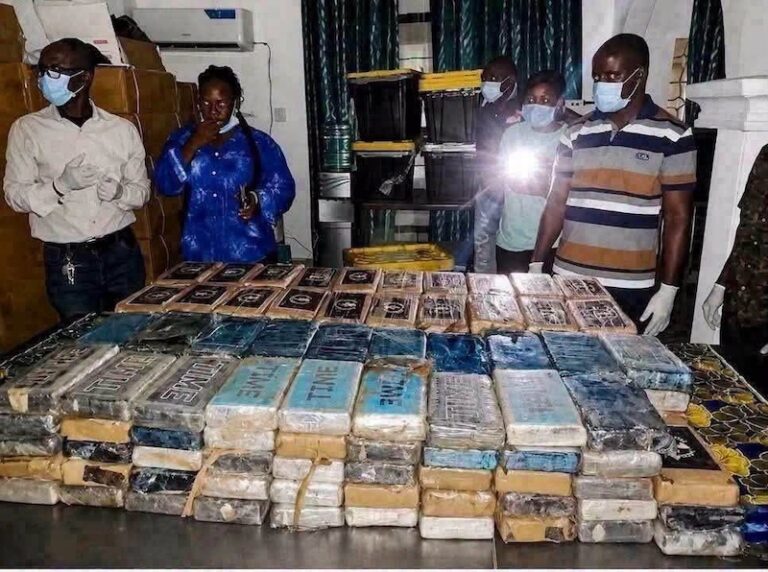
According to Rep. Kolleh, Brown was arrested in 2024 on serious narcotics charges but was later released on bail by Judge Carey. The lawmaker alleged that Brown subsequently fled Liberia and is now reportedly linked to the seizure of a US$19 million cocaine shipment, raising fresh questions about the legality and consequences of the bail decision.
“Judge Carey was legally wrong,” Rep. Kolleh told fellow lawmakers.
“In 2022, the Legislature amended the Controlled Drugs and Substances Act to make major drug trafficking offenses non-bailable. Despite that clear provision of the law, Judge Carey granted bail to Michael U.S. Brown, who later fled the country and is now allegedly connected to another massive drug consignment.”
The allegations against Brown have not been adjudicated in court, and the House investigation is expected to examine the legal and factual circumstances surrounding the bail order.
Following debate on the communication, Plenary overwhelmingly voted to transform itself into a Committee of the Whole to conduct a full investigation into the matter.
The inquiry will focus on whether Judge Carey’s decision was consistent with Liberia’s narcotics laws and whether it amounted to judicial misconduct, gross abuse of authority, or other constitutional violations that could justify impeachment.
Under Liberia’s Constitution, judges may be impeached for misconduct, gross breach of duty, inability to perform official functions, or other impeachable offenses.
If lawmakers conclude that sufficient evidence exists, the House could draft and approve articles of impeachment for transmission to the Senate, which has the constitutional responsibility to conduct an impeachment trial.
As part of the investigation, the House ordered several senior officials to appear before Plenary on Thursday at 10:00 a.m.
Those summoned include:
-
Attorney General and Minister of Justice;
-
Judge T. Ciafa Carey, now assigned as Resident Circuit Judge in Bong County;
-
The Superintendent of Kakata Central Prison in Margibi County; and
-
Legal counsel representing Michael U.S. Brown.
Lawmakers are expected to question the officials about the legal basis for granting Brown bail, the execution of the court’s release order, the actions taken by prison authorities, and whether prosecutors complied with the provisions of Liberia’s amended drug law.
The inquiry is also expected to determine whether the bail order violated the Legislature’s 2022 amendments to the Controlled Drugs and Substances Act, which removed bail eligibility for certain major drug trafficking offenses.
The House’s action comes amid increasing public concern over the rise of transnational drug trafficking in Liberia and growing calls for stronger accountability within the country’s criminal justice system.
Lawmakers have repeatedly expressed concern over the handling of major narcotics prosecutions, particularly in cases involving large quantities of illegal drugs and alleged international trafficking networks.
Rep. Kolleh argued that strict enforcement of Liberia’s anti-drug laws is essential if the country is to effectively combat organized crime and protect the integrity of its judicial system.
The investigation is expected to examine not only the judge’s interpretation of the law but also whether all institutions involved—including prosecutors, prison authorities, and defense counsel—acted in accordance with established legal procedures.
Although the House has not initiated impeachment proceedings, Tuesday’s vote represents the first formal step in what could become one of the Legislature’s most significant judicial accountability inquiries in recent years.
Should the Committee of the Whole conclude that Judge Carey violated the law or breached constitutional standards governing judicial conduct, lawmakers could proceed with preparing articles of impeachment.
Any impeachment approved by the House would then be transmitted to the Liberian Senate, which is constitutionally empowered to conduct an impeachment trial and determine whether the judge should be removed from office.
The investigation is expected to begin with Thursday’s hearing, where the summoned officials will be required to explain the legal and procedural decisions that led to Brown’s release and answer lawmakers’ questions regarding compliance with Liberia’s anti-narcotics laws.
Source: Liberian Observer