


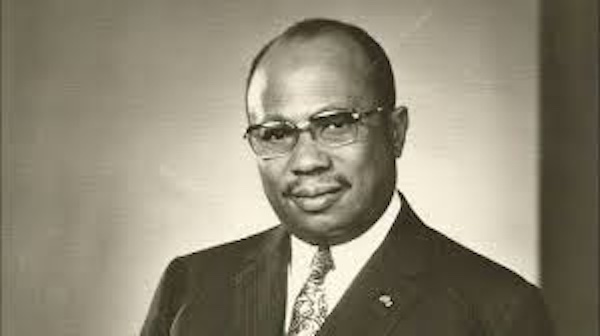
Today is May 13th, 2026, the 110th birthday of William R. Tolbert, Jr. Additionally, today marks 46 years and 31 days since the murder of a man I believe was the most patriotic and development-oriented president Liberia has ever been blessed to have as a leader.
Having read some of his biographies and presidential papers, I can certainly state that President Tolbert was indeed a Great Man, way ahead of his time, whose development plans and actions seemed incomprehensible by his contemporaries.
Obviously, great men are NOT perfect men! Liberians often adore and sing praises to heroes and great men from other countries especially those from United States of America. Liberians adore and sing praises to men like Dr. Martin Luther King, Jr. (MLK) and President John F. Kennedy (JFK); however, if those men were Liberians, all of their imperfections will trump their greatness. For instance, written accounts and historical files have pointed to JFK and MLK as womanizers, who were always cheating on their wives, a character that would disqualified them as great men in the eyes of most Liberians. (For reference on JFK and MLK womanizing accounts, read “Incomparable Grace: JFK in the Presidency” by Mark K. Updegrove, 2022 and “And the Walls Came Crumbling Down” by Ralph Albernathy, 1989.)
Let it be known that the contributions of JFK and MLK are indelible in the eon of time and regardless of their reported imperfections, their legacies are unquestionable.
The critics of President Tolbert often point to his minutiae of human imperfections as reasons to discredit him; however, can any of his critics dispute his prudence, work discipline, astute intelligence, skills and abilities? Can any of his critics dispute that President Tolbert was a visionary with unparalleled patriotism? Can any of his critics dispute that those who murdered President Tolbert were unfit to walk in his shoes? Yes, time, the great revealer, has now shown that the murder of President Tolbert was the single most disastrous mistake Liberia ever made, and it is causing her almost a century to recuperate.
President Tolbert succinctly tackled poverty, disease and illiteracy by establishing systems and building institutions to respond to those societal vices. Forty-six years after his death, Liberia is poorer, less functionally literate and faced with a challenging health care delivery system. What happened to the institutions and systems he built? What went wrong?
To tackle illiteracy, President Tolbert built multilateral schools and teacher training institutes in rural Liberia. He solicited scholarships for deserving scholars (yes, deserving scholars) to go abroad and encouraged them to return and contribute to the nation building initiatives. The president also established vocational schools. President Tolbert referred to the Liberian youth as his “precious jewels” and his robust housing and other tangible initiatives reflected his slogan.
I am sure my point about Liberia being less functionally literate now than during the Tolbert’s presidency may not sit well with many educated Liberians.; however, how do we measure the education of a nation? It is evident now that many Liberians have earned graduate and doctorate degrees than forty-six years ago, but on the national level, can Liberians proudly say their individual academic achievements have become a national success story in terms of having problem-solving functioning institutions now than during the Tolbert’s presidency? In my opinion, the current status of Liberian education is represented by silos of individual success rather than a national success story.
Being a hardworking farmer, President Tolbert emphasized increase in the local productions of domestic food products such as eddoes, plantains and Liberia’s most controversial cash crop, rice. He established and strengthened the agriculture bank to help farmers succeed. The president wanted Liberia to wean itself of foreign food products because I am sure he understood that anyone who controls your belly, controls your life. His “Mat to Mattress” and other similar initiatives were intended to make Liberians roll back poverty and enjoy economic vitality.
During President Tolbert’s nine years, slumps were torn down and replaced with modern estates: Barnersville estate, Stephen Tolbert estate, Matadi estate, Cabral estate.
At some times President Tolbert even implored creativity to his development agenda. For instance, In one of his mid-70s presidential papers, the president emphasized the fast completion of one of his legacy projects by the birthday of the distinguished gentleman he named it after. The project was the “Cabral Estate” named in honor of the revolutionary and pan Africanist of Guinea Bissau, Amilcar Cabral. As I reflect on the speed and efficiency he placed on that project, I can only appreciate the decency and creativity of a great leader who valued friendship and country. He built an affordable housing estate to honor his friend while solving the housing needs of his people. Fifty years later, Liberians are still living at the Cabral Estate. That is true legacy!
The president earned the nickname “Speedy” due to the urgency he applied to the development of his beloved Liberia.
The question is, why if every succeeding president was involved with such a robust housing development initiative, what would the economic situation of Liberia young people be at this time? Rent alone is an impediment for many young Liberians in that they have to choose between where to sleep and what to eat. The high cost of rent undermines the stability of self-supported students and that is why subsidized government housing is needed now more than ever before to support Liberia’s very youthful population to succeed economically. Why if college students have a headstart in a government subsidized housing and later transition to a full family life upon graduation, making room for younger college students?
Regardless of political affiliation, continuity of development is critical to the ongoing prosperity of any country. For instance, President Samuel Doe did start and complete a few projects between 1985 and 1990, one of which was the completion of the soccer stadium named after himself. I remembered whispers in many sectors of Monrovia about the stadium. Some Liberians were saying that President Doe completed Tolbert’s stadium project; that it was not his project.
With such a negative connotation regarding a national project, it is evident why every president aspires to start from scratch, instead of completing an existing project, and this really hurts the country development agenda.
In this light, it is important for Liberians to look at the big picture and put away pettiness. For example, even though the soccer stadium bears the name of President Doe, it serves a national purpose that benefits Liberia and Liberians.
President Tolbert initiated many patriotic projects which if continued, Liberia would be in a better geopolitical and development space in the 21st century. For instance, even though he was murdered because he was a “Congau man,” the president initiated a national language program that could benefit the entire Liberia nation in which he selected Kpelle as the national language to be taught in schools and spoken by Liberians. Language is a unifying force. Liberians often admire and speak positive about African countries like Ghana which have a national language. The so-called Congau president, who was very fluent in Kpelle than most natives, did not tell Liberians to speak Congau instead he chose an indigenous Liberian language and ironically the indigenous presidents after him have ignored such an important national project.
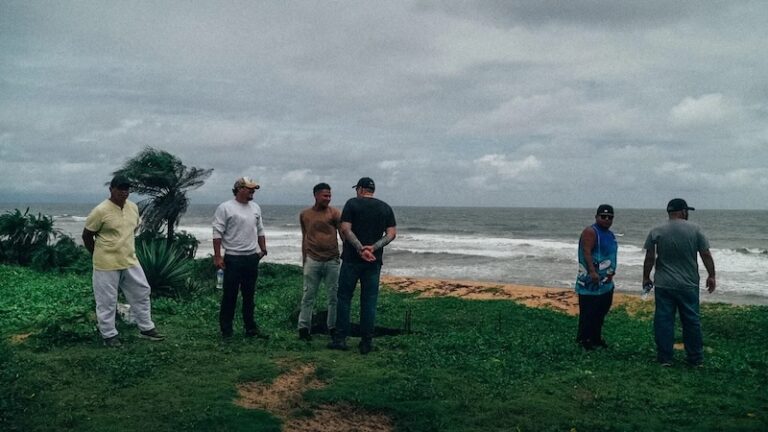
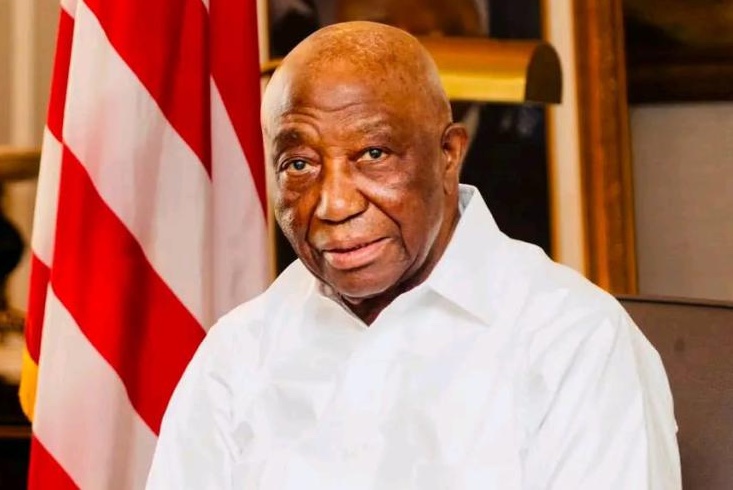
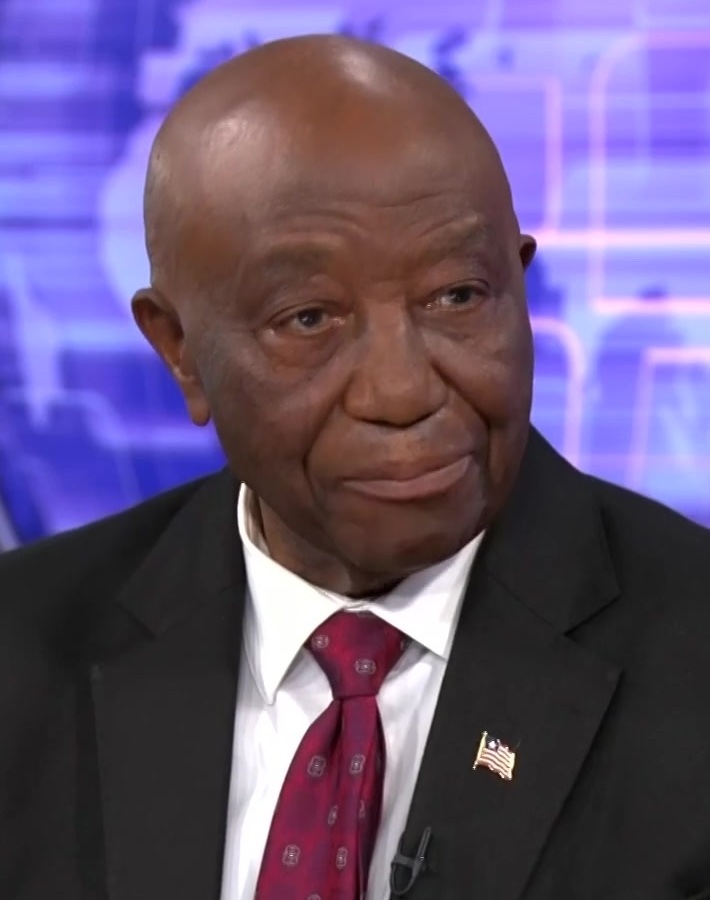
I have always thought President Tolbert be given a decent burial as part of the national healing process. Recently, I was happy to read that President Joseph Boakai worked with the “April 22nd Memorial Group” to exhume and properly bury our distinguished statesmen. Also, I believe there should be a “Tolbert’s Day” in Liberia, a time set aside to reflect on the life and legacy of the late president and discuss how to incorporate his genius ideas into current government policies and initiatives.
Indeed, President Tolbert was a Great Man, and I do believe there should be more awareness about his life, work, philosophy and development agenda for Liberia especially at a time when there is a propulsive drive towards self-sustenance of African countries.
Jusu Gow
Freelancer
jgowus@yahoo.com