




Liberia’s Unification Day was never meant to be merely another date on the calendar or an occasion for speeches, parades, and ceremonial declarations. It was intended as a national mirror — a day for a people to pause and ask themselves a profound question: What does it truly mean to become one nation? In a country shaped by different histories, cultures, migrations, and painful chapters of division, Unification Day represented a promise that Liberia could become greater than the labels that once separated its people.
The dream was larger than politics. It was larger than tribes, counties, social classes, and the old lines drawn between settler and indigenous communities. It envisioned a Liberia where every child born in Maryland, Lofa, Grand Gedeh, Nimba, Montserrado, or Grand Cape Mount would see themselves first as Liberian — equally entitled to dignity, opportunity, and belonging.
Yet history teaches us that proclamations alone do not unify nations. Laws can mandate integration; governments can establish holidays; leaders can preach harmony. But true unity is not decreed — it is built. It is built through fairness, through institutions people can trust, through equal opportunity, and through a shared commitment to justice. It is strengthened when citizens believe that success is not reserved for a privileged few and that every Liberian life carries equal value.
The painful truth is that Liberia has repeatedly discovered that division changes form even when old divisions fade. Yesterday it may have been indigenous versus Congo. Today it may become county against county, political tribe against political tribe, elite against ordinary citizen, or diaspora against those at home. The wedges change; the temptation remains the same. Ambitious people often find profit in division because divided people are easier to mobilize, easier to manipulate, and easier to govern.
That may be the greatest lesson Unification Day should have taught us: nations are not destroyed only by enemies from outside; they can slowly weaken from within when citizens begin seeing one another as categories instead of compatriots.
Liberia’s history has shown moments of extraordinary pain — coups, conflict, suspicion, exclusion, and loss. Yet it has also shown something remarkable: despite everything, Liberians continue to intermarry, mourn together, celebrate together, worship together, and dream together. We are more intertwined than we sometimes admit. We are, in many ways, a single family that occasionally forgets itself.
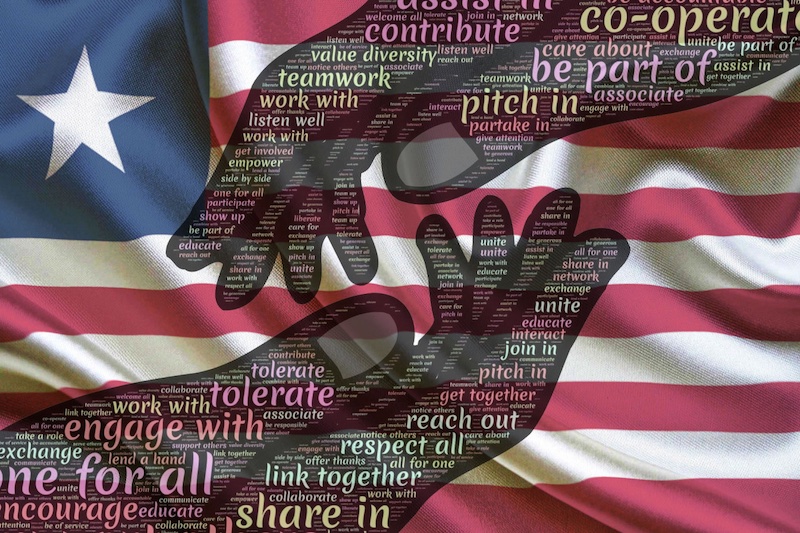
Perhaps the true spirit of Unification Day is not the belief that unity has already been achieved. Perhaps it is the recognition that unity is a journey—a national project renewed by every generation. It asks us to reject the easy politics of grievance and embrace the harder work of building institutions, restoring standards, creating opportunity, and teaching our children a nationalism rooted not in exclusion, but in shared destiny.
The lesson Liberia should have learned is simple but powerful: we rise together or we decline together. No tribe prospers alone. No county develops in isolation. No political faction can permanently win while the nation itself loses.
And perhaps one day, future generations will look back at Unification Day not as a reminder of what Liberia hoped to become, but as evidence of what Liberia finally chose to be: one people, one nation, and one shared future.
James M. Eastman