





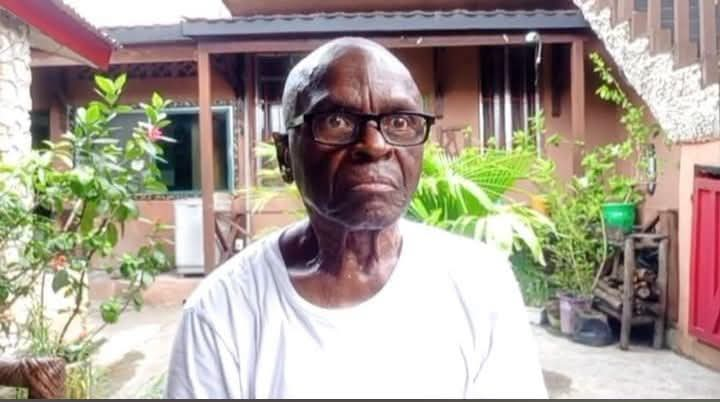
Cllr. Peter Bonnah Jallah, elder brother of Peter Bon Jallah,
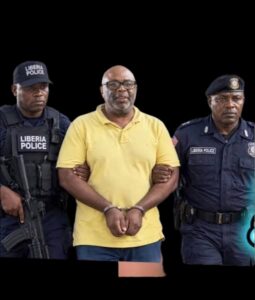
MONROVIA: Cllr. Peter Bonnah Jallah, elder brother of Peter Bon Jallah, has raised serious concerns about the guilty verdict handed down against his younger brother by Criminal Court “E” Judge Wesseh Alphonsus Wesseh Sr., arguing that the decision was inconsistent with evidence presented during the trial.
Speaking in an interview, Cllr. Jallah maintained that the prosecution failed to establish sufficient evidence to support the charges against his brother, particularly the allegations of kidnapping and statutory rape.
He also questioned aspects of the judge’s handling of the proceedings, calling for greater scrutiny of the evidence and emphasizing the importance of fairness and impartiality in Liberia’s justice system.
“My younger brother did not commit any crime,” Cllr. Jallah asserted, expressing concern over what he described as troubling developments within the country’s judicial system.
Disputes Evidence in Kidnapping Charge
Addressing the kidnapping charge, Cllr. Jallah pointed to what he described as inconsistencies in the prosecution’s account of the victim’s movements.
According to him, the prosecution alleged that the victim was dropped off on 15th Street on January 3. However, he claimed that a security officer assigned to the area testified that he saw the boy walking along 13th Street toward 15th Street on January 4.
Cllr. Jallah questioned how the prosecution reconciled the two accounts, arguing that the timeline raised concerns about the strength of the evidence used to secure the conviction.
He maintained that the testimony should be carefully examined in determining whether the prosecution established the elements of the alleged offense beyond a reasonable doubt.
Alleges Judicial Interference During Trial
Cllr. Jallah also criticized Judge Wesseh’s conduct during the proceedings, alleging that the judge intervened while the prosecutor was questioning defense witnesses.
He claimed that the judge questioned the prosecutor about why he was asking what the judge reportedly characterized as weak questions.
According to Cllr. Jallah, the alleged exchange raised concerns about the conduct of the trial and whether the proceedings were handled in a manner that ensured fairness to all parties.
However, the allegations reflect Cllr. Jallah’s account of the proceedings and could not be independently verified from the information provided.
Challenges Basis of Statutory Rape Conviction
On the statutory rape charge, Cllr. Jallah argued that the medical reports did not establish penetration, which he believes undermines the prosecution’s case.
He questioned the basis for the conviction, maintaining that the medical evidence should have been carefully considered alongside the other evidence presented during the trial.
The precise findings of the medical reports and their interpretation in relation to the legal elements of the charge were not independently available for this report. Medical findings alone may not determine whether a sexual offense occurred; the court must assess all admissible evidence and the applicable law.
Raises Questions About T-Shirt and DNA Evidence
Cllr. Jallah further questioned the handling of a T-shirt that he said the prosecution identified as belonging to his younger brother and associated with DNA evidence.
He alleged that Judge Wesseh denied his brother the opportunity to wear the T-shirt, arguing that the decision raised additional questions about how the item was treated during the trial.
The circumstances surrounding the T-shirt, the nature of the DNA evidence, and the court’s stated reasons for its decision were not independently established from the information provided.
Calls for Evidence-Based Justice
Beyond his brother’s case, Cllr. Jallah called on Liberians to pay closer attention to the administration of justice, stressing that public confidence in the judiciary depends on decisions grounded in evidence, law, and impartial proceedings.
He argued that Liberia’s development could be undermined if citizens lose confidence in the institutions responsible for upholding the rule of law.
Cllr. Jallah urged interested members of the public to examine the evidence presented during the trial and assess the court’s decision against the facts and applicable legal standards.
He maintained that the issues he raised deserve serious consideration and renewed public scrutiny.
As the controversy surrounding the conviction continues, the allegations raised by Cllr. Jallah remain his account of the proceedings. The court’s judgment, the full trial record, and any response from the prosecution or Judge Wesseh would be necessary to independently assess the claims.
By:
Hon Exceeding Alphanso Menyongai
Call: 0777318070888228094/0776979867
Email menyongaialphanso@gmail.com
About the Author