




𝗙𝗿𝗼𝗺 𝗗𝗲𝗿𝗲𝗸’𝘀 𝗣𝗮𝗹𝗮𝘃𝗮 𝗛𝘂𝘁
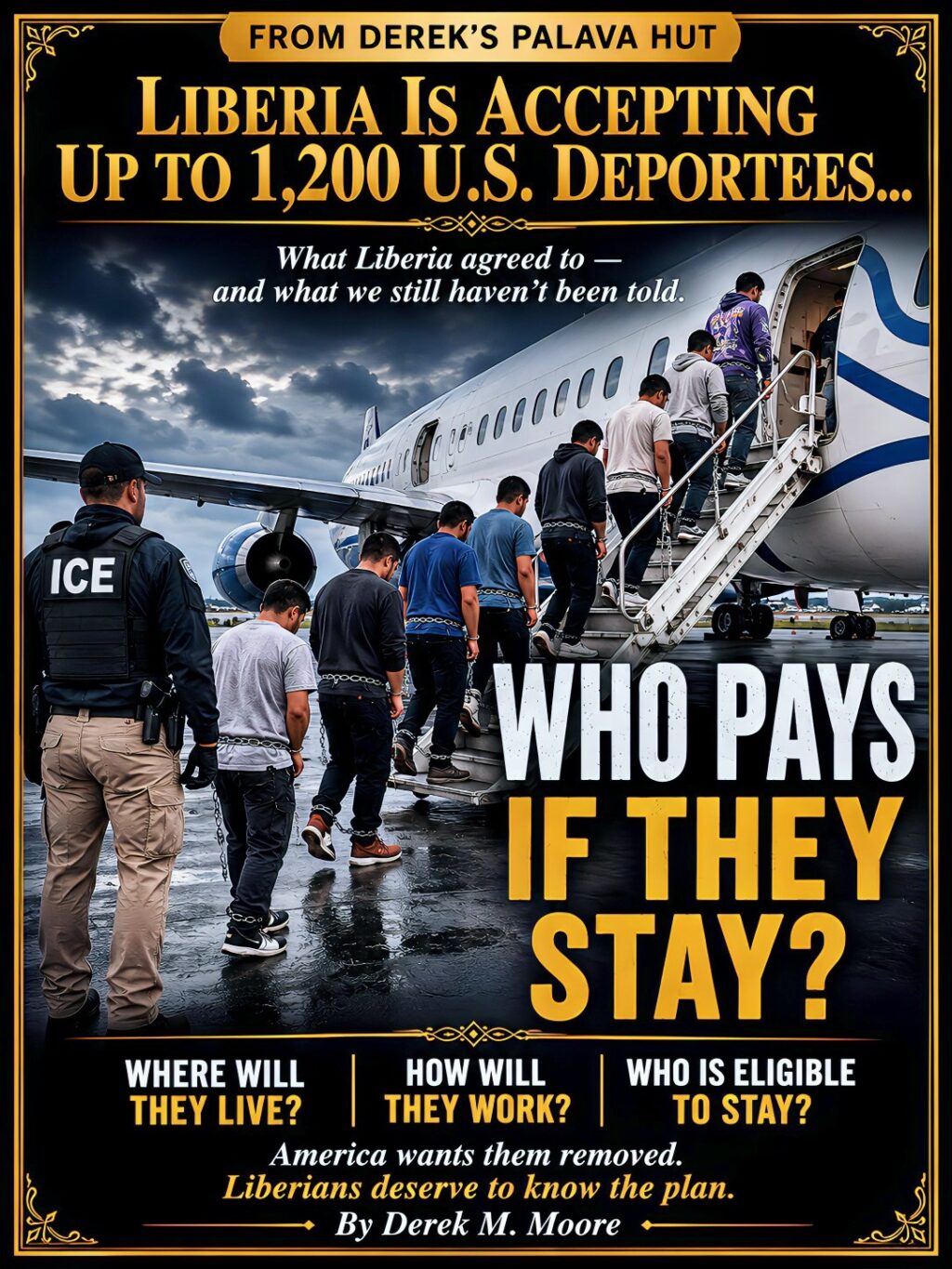
𝘓𝘪𝘣𝘦𝘳𝘪𝘢 𝘩𝘢𝘴 𝘢𝘨𝘳𝘦𝘦𝘥 𝘵𝘰 𝘳𝘦𝘤𝘦𝘪𝘷𝘦 𝘱𝘦𝘰𝘱𝘭𝘦 𝘵𝘩𝘦 𝘜𝘯𝘪𝘵𝘦𝘥 𝘚𝘵𝘢𝘵𝘦𝘴 𝘸𝘢𝘯𝘵𝘴 𝘳𝘦𝘮𝘰𝘷𝘦𝘥. 𝘉𝘶𝘵 𝘸𝘩𝘢𝘵 𝘦𝘹𝘢𝘤𝘵𝘭𝘺 𝘩𝘢𝘷𝘦 𝘸𝘦 𝘢𝘨𝘳𝘦𝘦𝘥 𝘵𝘰 — 𝘢𝘯𝘥 𝘸𝘩𝘢𝘵 𝘩𝘢𝘱𝘱𝘦𝘯𝘴 𝘪𝘧 𝘴𝘰𝘮𝘦 𝘮𝘢𝘬𝘦 𝘓𝘪𝘣𝘦𝘳𝘪𝘢 𝘵𝘩𝘦𝘪𝘳 𝘭𝘰𝘯𝘨-𝘵𝘦𝘳𝘮 𝘩𝘰𝘮𝘦?
𝗕𝘆 𝗗𝗲𝗿𝗲𝗸 𝗠. 𝗠𝗼𝗼𝗿𝗲
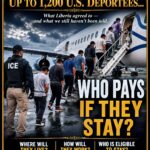
In a country where far too many Liberians still live in abject poverty and about 21 percent of the population is chronically food insecure, our government has agreed to receive up to 1,200 people being deported from the United States who are not Liberians.
That immediately raises two questions many Liberians will understand:
𝗛𝗼𝘄 𝗰𝗮𝗻 𝗮 𝗰𝗼𝘂𝗻𝘁𝗿𝘆 𝘀𝘁𝗿𝘂𝗴𝗴𝗹𝗶𝗻𝗴 𝘁𝗼 𝗳𝗲𝗲𝗱, 𝗵𝗼𝘂𝘀𝗲 𝗮𝗻𝗱 𝗲𝗺𝗽𝗹𝗼𝘆 𝗶𝘁𝘀 𝗼𝘄𝗻 𝗰𝗶𝘁𝗶𝘇𝗲𝗻𝘀 𝗮𝘀𝘀𝘂𝗺𝗲 𝗿𝗲𝘀𝗽𝗼𝗻𝘀𝗶𝗯𝗶𝗹𝗶𝘁𝘆 𝗳𝗼𝗿 𝗵𝘂𝗻𝗱𝗿𝗲𝗱𝘀 𝗼𝗳 𝗳𝗼𝗿𝗲𝗶𝗴𝗻𝗲𝗿𝘀?
𝗔𝗻𝗱 𝘄𝗵𝘆 𝗮𝗿𝗲 𝘄𝗲 𝗮𝗰𝗰𝗲𝗽𝘁𝗶𝗻𝗴 𝗽𝗲𝗼𝗽𝗹𝗲 𝗼𝗻𝗲 𝗼𝗳 𝘁𝗵𝗲 𝗿𝗶𝗰𝗵𝗲𝘀𝘁 𝗰𝗼𝘂𝗻𝘁𝗿𝗶𝗲𝘀 𝗶𝗻 𝘁𝗵𝗲 𝘄𝗼𝗿𝗹𝗱 𝘄𝗮𝗻𝘁𝘀 𝗿𝗲𝗺𝗼𝘃𝗲𝗱?
Is this humanitarian responsibility, smart diplomacy with an important ally — or are we allowing America to shift part of its immigration problem onto Liberia?
The answers are more complicated than they first appear.
𝗪𝗵𝗼 𝗘𝘅𝗮𝗰𝘁𝗹𝘆 𝗜𝘀 𝗔𝗺𝗲𝗿𝗶𝗰𝗮 𝗦𝗲𝗻𝗱𝗶𝗻𝗴 𝗨𝘀?
These are 𝘁𝗵𝗶𝗿𝗱-𝗰𝗼𝘂𝗻𝘁𝗿𝘆 𝗱𝗲𝗽𝗼𝗿𝘁𝗲𝗲𝘀. They are not Liberians being sent home.
They can be Cubans, Venezuelans, Colombians, Africans or nationals of other countries whom the United States has ordered removed and Liberia has agreed to receive. And “deportee” does not automatically mean convicted criminal.
Some have immigration violations. Others caught in America’s broader third-country deportation system may have been ordered out of the United States while also being protected from return to their own countries because they could face persecution or torture there.
In simple terms, America can decide: 𝘆𝗼𝘂 𝗰𝗮𝗻𝗻𝗼𝘁 𝗿𝗲𝗺𝗮𝗶𝗻 𝗵𝗲𝗿𝗲, 𝗯𝘂𝘁 𝘄𝗲 𝗰𝗮𝗻𝗻𝗼𝘁 𝘀𝗮𝗳𝗲𝗹𝘆 𝘀𝗲𝗻𝗱 𝘆𝗼𝘂 𝗵𝗼𝗺𝗲. It then looks for another country willing to receive that person.
Liberia has agreed to become one of those countries.
𝗧𝗵𝗲 𝗙𝗶𝘃𝗲 𝗪𝗵𝗼 𝗥𝗲𝗳𝘂𝘀𝗲𝗱 𝗟𝗶𝗯𝗲𝗿𝗶𝗮
The first flight demonstrated just how unusual this arrangement can become.
Twenty deportees were expected in Liberia. According to Reuters, 𝟭𝟱 𝗴𝗼𝘁 𝗼𝗳𝗳 𝘁𝗵𝗲 𝗮𝗶𝗿𝗰𝗿𝗮𝗳𝘁. Three Cuban men, a Brazilian man and a Cameroonian woman refused to disembark at Roberts International Airport.
The aircraft eventually left Liberia with them still aboard. They were flown to 𝗘𝗾𝘂𝗮𝘁𝗼𝗿𝗶𝗮𝗹 𝗚𝘂𝗶𝗻𝗲𝗮, 𝘄𝗵𝗲𝗿𝗲 𝘁𝗵𝗲𝘆 𝘄𝗲𝗿𝗲 𝗿𝗲𝗽𝗼𝗿𝘁𝗲𝗱𝗹𝘆 𝗳𝗼𝗿𝗰𝗲𝗱 𝘁𝗼 𝗱𝗶𝘀𝗲𝗺𝗯𝗮𝗿𝗸 and joined other third-country deportees already being held there.
Why could they refuse Liberia but apparently not Equatorial Guinea? Did Liberia refuse to force people onto our soil? Was voluntary disembarkation part of our arrangement? Or did the United States simply decide to take them somewhere else?
That has not been publicly explained.
What the incident does tell us is important: 𝘀𝗼𝗺𝗲 𝗼𝗳 𝘁𝗵𝗲 𝗽𝗲𝗼𝗽𝗹𝗲 𝗯𝗲𝗶𝗻𝗴 𝘀𝗲𝗻𝘁 𝗵𝗲𝗿𝗲 𝗺𝗮𝘆 𝗵𝗮𝘃𝗲 𝗻𝗼 𝗰𝗼𝗻𝗻𝗲𝗰𝘁𝗶𝗼𝗻 𝘁𝗼 𝗟𝗶𝗯𝗲𝗿𝗶𝗮 𝗮𝗻𝗱 𝗻𝗼 𝗱𝗲𝘀𝗶𝗿𝗲 𝘁𝗼 𝗹𝗶𝘃𝗲 𝗵𝗲𝗿𝗲.
𝗔𝗿𝗲 𝗣𝗲𝗼𝗽𝗹𝗲 𝗪𝗶𝘁𝗵 𝗖𝗿𝗶𝗺𝗶𝗻𝗮𝗹 𝗥𝗲𝗰𝗼𝗿𝗱𝘀 𝗘𝘅𝗰𝗹𝘂𝗱𝗲𝗱?
The Liberian government says those it accepts are screened and “are not criminals.”
But there is an important distinction.
In the publicly available agreement and explanations reviewed for this article, I have not found a clearly stated provision saying that 𝗲𝘃𝗲𝗿𝘆 𝗽𝗲𝗿𝘀𝗼𝗻 𝘄𝗶𝘁𝗵 𝗮 𝗽𝗿𝗲𝘃𝗶𝗼𝘂𝘀 𝘀𝗲𝗿𝗶𝗼𝘂𝘀 𝗰𝗿𝗶𝗺𝗶𝗻𝗮𝗹 𝗰𝗼𝗻𝘃𝗶𝗰𝘁𝗶𝗼𝗻 𝗶𝘀 𝗮𝘂𝘁𝗼𝗺𝗮𝘁𝗶𝗰𝗮𝗹𝗹𝘆 𝗲𝘅𝗰𝗹𝘂𝗱𝗲𝗱.
America’s wider third-country program has included people with criminal records. That does not mean violent criminals are being sent to Liberia.
It does mean government should tell Liberians exactly what “screened” means. Are people previously convicted of murder, rape, armed robbery, human trafficking, serious drug trafficking or other violent crimes automatically rejected?
That should not be difficult to answer publicly.
𝗧𝗵𝗲 𝟭,𝟮𝟬𝟬 𝗡𝘂𝗺𝗯𝗲𝗿 𝗜𝘀 𝗡𝗼𝘁 𝗜𝗻 𝗧𝗵𝗲 𝗣𝘂𝗯𝗹𝗶𝘀𝗵𝗲𝗱 𝗔𝗴𝗿𝗲𝗲𝗺𝗲𝗻𝘁
Here is something that deserves more attention.
The publicly released U.S.-Liberia agreement from September 2025 does 𝗻𝗼𝘁 𝘀𝗽𝗲𝗰𝗶𝗳𝘆 𝟭,𝟮𝟬𝟬 𝗽𝗲𝗼𝗽𝗹𝗲.
Instead, it says the United States may propose individuals for transfer and Liberia has “complete discretion” to accept or decline those proposals, in whole or in part. The agreement also required the two governments to develop operating procedures before transfers began. Those detailed procedures have not been publicly released.
The 1,200 figure was publicly announced by Liberia in August 2026.
So where did that number come from? Who proposed it? What additional conditions were negotiated?
Those questions matter because the underlying agreement appears to give Liberia more control than many people realize. Liberia does not appear obligated to accept every person America proposes, and available analyses of the agreement indicate that either country may terminate the arrangement by written notice.
If Liberia concludes that the program is becoming unsafe, financially burdensome or contrary to our national interest, the government therefore appears to have options.
That makes transparency even more important.
𝗪𝗵𝗮𝘁 𝗛𝗮𝘀 𝗛𝗮𝗽𝗽𝗲𝗻𝗲𝗱 𝗘𝗹𝘀𝗲𝘄𝗵𝗲𝗿𝗲?
Other African countries provide useful warnings.
𝗘𝘀𝘄𝗮𝘁𝗶𝗻𝗶 (𝗳𝗼𝗿𝗺𝗲𝗿𝗹𝘆 𝗦𝘄𝗮𝘇𝗶𝗹𝗮𝗻𝗱) agreed to accept up to 160 deportees and received about $5.1 million. Liberia, by comparison, is reportedly receiving about $5 million while agreeing to accept up to 1,200 people — more than seven times as many.
The two arrangements may cover different costs, so this is not a precise dollar-for-dollar comparison. But the disparity is substantial enough to deserve an explanation.
𝗦𝗶𝗲𝗿𝗿𝗮 𝗟𝗲𝗼𝗻𝗲 negotiated a much narrower arrangement focused on West African nationals and short-term accommodation, while 𝗚𝗵𝗮𝗻𝗮’s experience became controversial after some deportees were subsequently sent onward to their countries of origin.
In 𝗘𝗾𝘂𝗮𝘁𝗼𝗿𝗶𝗮𝗹 𝗚𝘂𝗶𝗻𝗲𝗮, deportees have reportedly been held at a converted hotel amid concerns about medical treatment, access to lawyers and psychological distress.
There is a lesson here for Liberia: 𝗴𝗲𝘁𝘁𝗶𝗻𝗴 𝗽𝗲𝗼𝗽𝗹𝗲 𝗼𝗳𝗳 𝘁𝗵𝗲 𝗮𝗶𝗿𝗽𝗹𝗮𝗻𝗲 𝗺𝗮𝘆 𝗯𝗲 𝘁𝗵𝗲 𝗲𝗮𝘀𝗶𝗲𝘀𝘁 𝗽𝗮𝗿𝘁. 𝗧𝗵𝗲 𝗱𝗶𝗳𝗳𝗶𝗰𝘂𝗹𝘁 𝗾𝘂𝗲𝘀𝘁𝗶𝗼𝗻 𝗶𝘀 𝘄𝗵𝗮𝘁 𝗵𝗮𝗽𝗽𝗲𝗻𝘀 𝘄𝗵𝗲𝗻 𝘁𝗵𝗲𝘆 𝗰𝗮𝗻𝗻𝗼𝘁 𝗴𝗼 𝗮𝗻𝘆𝘄𝗵𝗲𝗿𝗲 𝗲𝗹𝘀𝗲.
𝗜𝗳 𝗧𝗵𝗲𝘆 𝗦𝘁𝗮𝘆, 𝗧𝗵𝗲 𝗢𝗯𝗹𝗶𝗴𝗮𝘁𝗶𝗼𝗻 𝗖𝗮𝗻 𝗚𝗿𝗼𝘄
Liberia says the arrivals will not be prisoners. They may leave if another country will legally accept them, or they may apply for asylum here.
Someone who applies for refugee status has the right to remain while the application and appeals are considered. A person recognized as a refugee may remain in Liberia and receive identification documents. Liberia’s Refugee Act also gives recognized refugees important protections concerning employment.
And there is another provision many Liberians probably do not know about.
The Refugee Act says government should endeavor to permit 𝗳𝗮𝗺𝗶𝗹𝘆 𝗺𝗲𝗺𝗯𝗲𝗿𝘀 𝗼𝗳 𝗮 𝗿𝗲𝗰𝗼𝗴𝗻𝗶𝘇𝗲𝗱 𝗿𝗲𝗳𝘂𝗴𝗲𝗲 𝘁𝗼 𝗲𝗻𝘁𝗲𝗿 𝗟𝗶𝗯𝗲𝗿𝗶𝗮 𝗮𝗻𝗱 𝗿𝗲𝗺𝗮𝗶𝗻 𝘄𝗶𝘁𝗵 𝘁𝗵𝗮𝘁 𝗽𝗲𝗿𝘀𝗼𝗻.
That does not mean 1,200 deportees will suddenly bring thousands of relatives to Liberia. Not everyone will seek asylum, not everyone will qualify, and family reunification is not automatic.
But it does mean this arrangement can create responsibilities extending beyond simply receiving 1,200 passengers.
That makes the absence of a publicly detailed integration plan even more important.
𝗪𝗵𝗲𝗿𝗲 𝗪𝗶𝗹𝗹 𝗧𝗵𝗲𝘆 𝗟𝗶𝘃𝗲 — 𝗔𝗻𝗱 𝗛𝗼𝘄 𝗪𝗶𝗹𝗹 𝗧𝗵𝗲𝘆 𝗪𝗼𝗿𝗸?
The United States is reportedly providing approximately $5 million for migration management, while the International Organization for Migration and the U.N. refugee agency are expected to assist.
For a program that could involve up to 1,200 people — some of whom may remain in Liberia for years — that amount appears modest compared with the potential long-term responsibility Liberia could assume. Housing, healthcare, asylum processing, documentation, language support, employment assistance and eventual integration can extend far beyond the cost of receiving someone at the airport.
So the real question is not simply what the $5 million pays for initially. It is what happens after that money is spent and people are still here.
Liberia is already dealing with poverty, unemployment and severe housing insecurity. Recent demolition exercises and court-backed removals have displaced hundreds of Liberian families.
Against that backdrop, government should be able to show citizens how anyone remaining under this program will eventually be integrated. Where will they live? How long will international assistance pay for food, housing and healthcare? What happens after that support ends?
And what about employment?
Liberia already has far more job seekers than formal jobs. Yet recognized refugees have employment protections under Liberian refugee law that differ from the ordinary restrictions applied to foreign workers.
If U.S. funding creates vocational programs, farms or businesses employing both newcomers and Liberians, that could leave Liberia with something valuable. If special opportunities are available to newcomers while equally qualified Liberians remain unemployed, government should expect a very different reaction.
𝗪𝗮𝘀 𝗧𝗵𝗶𝘀 𝗔 𝗗𝗲𝗮𝗹 𝗟𝗶𝗯𝗲𝗿𝗶𝗮 𝗪𝗮𝗻𝘁𝗲𝗱?
There is one final question we should not avoid.
In 𝗝𝘂𝗻𝗲 𝟮𝟬𝟮𝟱, Liberia publicly denied that discussions were underway to accept third-country deportees.
By 𝗦𝗲𝗽𝘁𝗲𝗺𝗯𝗲𝗿 𝟮𝟬𝟮𝟱, the agreement existed.
𝗪𝗵𝗮𝘁 𝗰𝗵𝗮𝗻𝗴𝗲𝗱?
Liberia was negotiating with the United States — one of the most powerful countries in the world and one of Liberia’s most important diplomatic and development partners.
Was accepting third-country deportees something Liberia independently decided was in its national interest? Or was it an accommodation our government felt would be difficult to refuse?
During the same broader period, qualifying Liberian visitor visas were extended from 12 months to 36 months, and Washington later entered a separate approximately $124.4 million health cooperation agreement with Liberia.
There is no documented evidence showing that either benefit was exchanged for accepting deportees. But the unexplained shift between June and September — and the still-unpublished operating details — make it reasonable for Liberians to want a fuller account of how this decision was reached.
𝗪𝗵𝗼 𝗣𝗮𝘆𝘀 𝗜𝗳 𝗧𝗵𝗲𝘆 𝗦𝘁𝗮𝘆?
There is a legitimate humanitarian argument for helping people who need protection. During our own civil wars, neighboring countries sheltered Liberians when we desperately needed somewhere safe to go.
But Liberia’s decision is not simply about compassion. It is also about 𝗰𝗮𝗽𝗮𝗰𝗶𝘁𝘆, 𝗺𝗼𝗻𝗲𝘆 𝗮𝗻𝗱 𝗻𝗮𝘁𝗶𝗼𝗻𝗮𝗹 𝗶𝗻𝘁𝗲𝗿𝗲𝘀𝘁.
The most important document now may not be the agreement we have already seen. It may be the 𝗼𝗽𝗲𝗿𝗮𝘁𝗶𝗻𝗴 𝗽𝗿𝗼𝗰𝗲𝗱𝘂𝗿𝗲𝘀 𝘄𝗲 𝗵𝗮𝘃𝗲 𝗻𝗼𝘁 𝘀𝗲𝗲𝗻 — the document that should tell us how many people can be accepted, who qualifies, how screening works, what America pays for and what happens to those who remain.
Before this program grows from 15 people who actually entered Liberia on the first flight to hundreds and potentially 1,200, Liberians deserve to see the plan.
Receiving them is only the beginning. If some remain in Liberia long after U.S. assistance ends, who assumes the cost and responsibility?
Who pays if they stay?
#Liberia #DereksPalavaHut #USDeportations #DerekMoore